
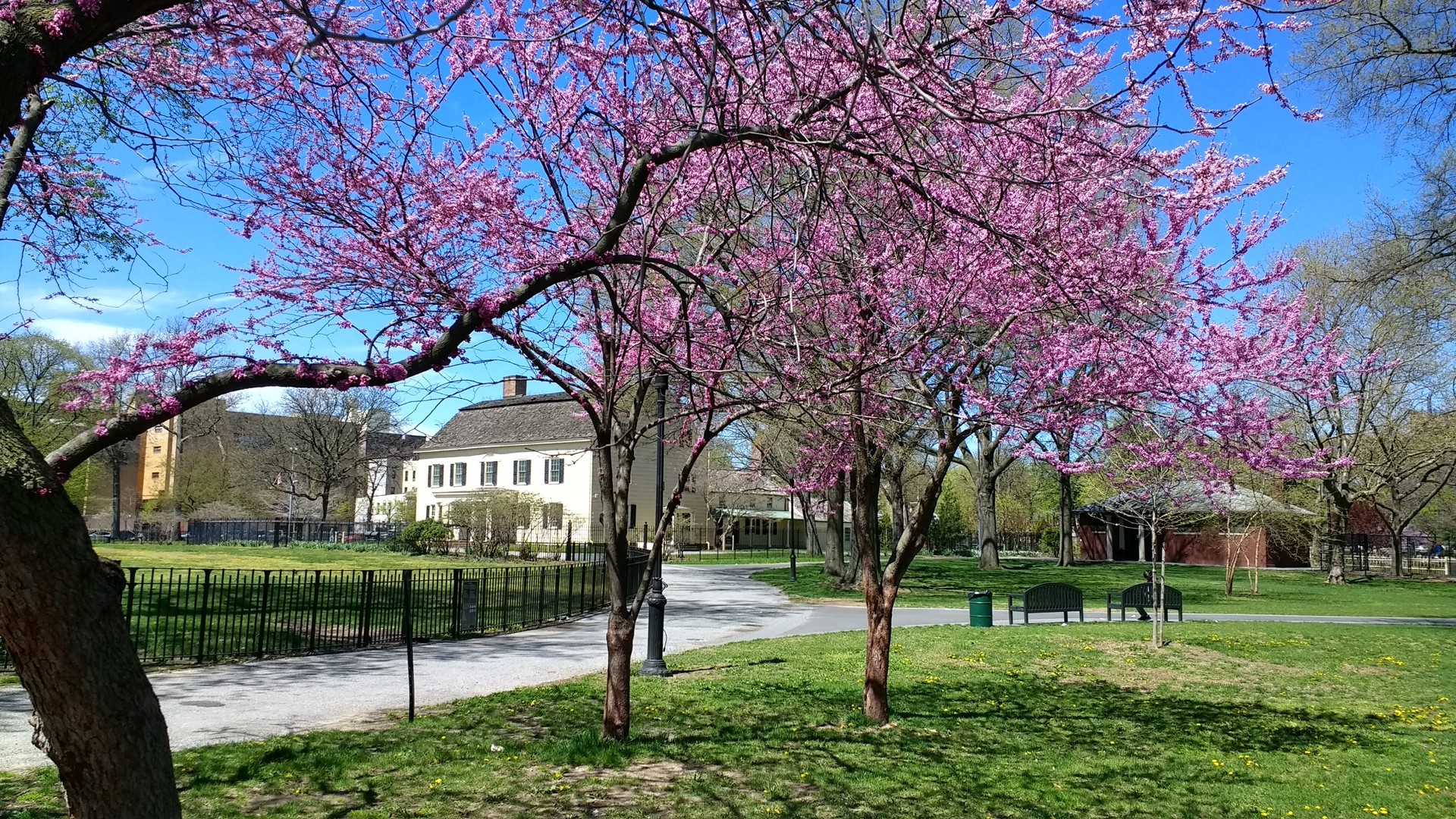
Jamaica is one of the largest neighborhoods in Queens — and one of the most affordable places in the borough to buy a home with real transit access. Sitting in southeast Queens, Jamaica combines a busy downtown shopping district, quiet tree-lined blocks in Jamaica Estates, and the borough’s biggest transit hub. For first-time buyers, growing families, and buyers looking for a two- or three-family home with rental income, Jamaica deserves a close look.
Here is what you need to know before you start house hunting in Jamaica.
Why Buyers Are Looking at Jamaica
Jamaica’s biggest selling point is getting around. Two subway stations — Jamaica Center–Parsons/Archer and Sutphin Blvd–Archer Av–JFK Airport — serve the E, J, and Z trains. Jamaica Station is the Long Island Rail Road’s main transfer hub, and the AirTrain connects Jamaica directly to John F. Kennedy International Airport. Add dozens of bus routes to eastern Queens and Nassau County, and very few Queens neighborhoods match Jamaica for transportation options.
The second selling point is price. According to PropertyShark’s Q3 2026 data, Jamaica’s median sale price was $729,500 — well below the Queens-wide median of $880,000 for the same quarter. That gap is exactly why buyers priced out of western Queens keep heading east.
What Your Money Buys in Jamaica Right Now
Jamaica is not one market — it is several, and the price depends heavily on the property type and the pocket of the neighborhood:
- Single-family homes: According to Gadura Real Estate’s 2026 market report (reviewed October 2026), the median single-family home in Jamaica sold for about $590,000. In Jamaica Estates, the leafy, higher-end section of the neighborhood, single-family homes run much higher — the DeVito Team’s OneKey MLS data for the twelve months to October 2026 puts the median at about $1,000,000 in ZIP code 11432.
- Two- and three-family homes: The same Gadura report puts two-family homes at a median of about $750,000 and three-family homes at about $950,000. These are Jamaica’s workhorse properties: live in one unit, rent out the others, and let the rental income help carry the mortgage.
- Co-ops and condos: Co-ops are the most affordable way into Jamaica, with a median of about $215,000 according to Gadura, and about $220,000 in the 11432 area per OneKey MLS data. Condos run higher, at a median of about $365,000. Reinvent NY’s early-2026 guide puts one-bedroom condos and co-ops generally in the $220,000 to $420,000 range.
Overall, Realtor.com’s October 2026 data for Jamaica shows a median sold price of $710,000, up 3.5% from a year earlier, with homes selling for about 98% of their asking price — a balanced market where buyers still have room to negotiate. PropertyShark recorded 94 sales in Q3 2026, down 12.1% from a year earlier, which tells you inventory is tight even while prices stay reasonable.
Two Very Different Markets in One Neighborhood
Downtown Jamaica, around Jamaica Avenue, Archer Avenue, and Parsons Boulevard, is the commercial heart: apartment buildings, new condo developments, and multi-family homes within walking distance of the subway and the LIRR. It suits buyers who want transit first and are comfortable with a busy, urban feel.
Jamaica Estates and Jamaica Hills, to the north, feel like a different world: curving, tree-lined streets with Tudor and Colonial Revival houses, many built between 1910 and 1930. Single-family homes here generally run from about $800,000 to $1.6 million, according to Reinvent NY’s 2026 guide. Buyers here are paying for space, quiet, and a suburban feel inside the city limits.
South Jamaica and Hollis, to the south and east, offer mostly single-family and two-family homes at the neighborhood’s most accessible prices — DeVito Team data shows median house prices of about $680,000 in ZIP 11436, $690,000 in 11434, and $705,000 in 11433 over the twelve months to October 2026.
Getting Around From Jamaica
Transit is Jamaica’s superpower. The E train runs express through Queens Boulevard into Midtown Manhattan, and the J and Z cross the Williamsburg Bridge into Brooklyn and Lower Manhattan. The LIRR at Jamaica Station connects to Penn Station, Grand Central Madison, and Atlantic Terminal, plus every branch heading out to Long Island. The AirTrain fare to JFK is $8.75 one way as of November 2026, and the subway fare is $3. For buyers who commute, Jamaica’s connections are hard to beat at this price point — the DeVito Team puts the commute from Jamaica Estates to Manhattan at about 24 minutes.
What to Check Before You Buy in Jamaica
Co-op boards and building finances. Many of Jamaica’s most affordable apartments are co-ops, and co-op boards review buyers’ finances closely. Before you make an offer, ask for the building’s financial statements, the underlying mortgage, and recent maintenance history — and make sure your agent walks you through the board package.
Multi-family rules. If you are buying a two- or three-family home for the rental income, confirm the legal number of units and the certificate of occupancy with city records before you close. Lenders typically count only part of the rental income toward your mortgage qualification, so run the numbers with your lender early.
Older housing stock. Much of Jamaica’s housing is pre-war, from brick garden apartments to century-old single-family homes. A thorough home inspection matters here more than most places — check the roof, the boiler, the electrical panel, and any signs of water damage before you commit.
Taxes vary by pocket. Property taxes differ sharply across Jamaica’s ZIP codes. In Jamaica Estates, the DeVito Team reports a median recorded property tax of about $8,500 a year on single-family sales. Ask your agent for the actual tax bill on any home you are considering, and check whether STAR or other exemptions apply.
Is Jamaica Right for You?
Jamaica works best for buyers who want three things at once: a real home, a manageable price, and a fast trip to Manhattan or the airport. It is one of the few places left in Queens where a first-time buyer can find a co-op under $250,000, a family can buy a house for under $700,000, and an owner-occupant can buy a multi-family home whose rents help pay the mortgage.
The trade-off is that Jamaica is a big, varied neighborhood — a block in Jamaica Estates and a block near the transit hub are different worlds. The right street matters as much as the right price, so walk the blocks, ride the commute at rush hour, and work with an agent who knows the difference.
Thinking about buying a home in Jamaica, Queens? Call Empire Fine Homes at 917.554.0546. We know the blocks, the buildings, and the numbers — and we will help you find the right home at the right price.
Read our Kew Gardens buying guide | Co-op vs. condo in Queens | Buying a two-family home in Queens | FHA loans in Queens
🏡 Never Miss a New Queens Listing
Get new listings & weekly open houses in your inbox — free, every week.