
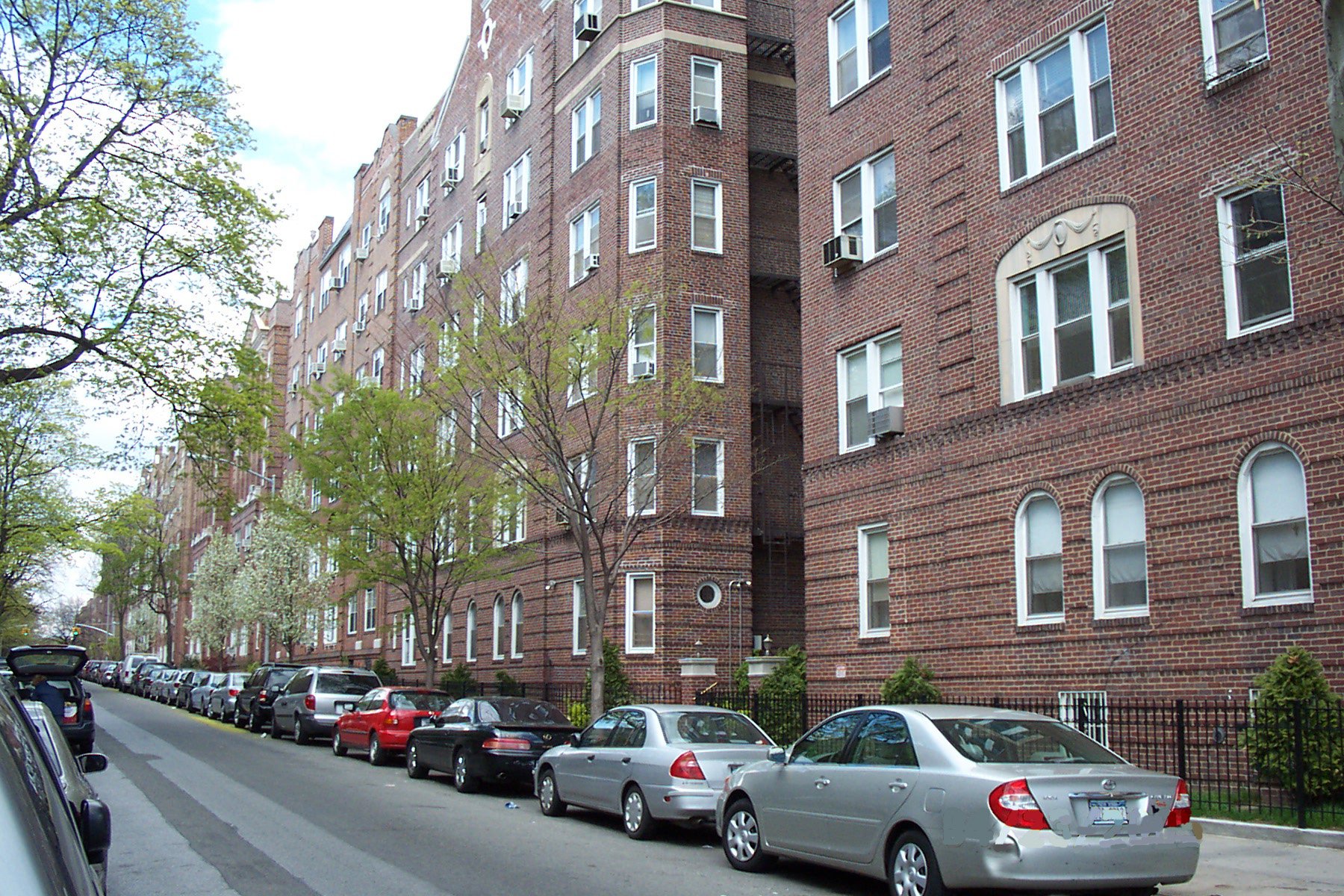
If you are shopping for homes for sale in Queens, you will run into co-ops fast — especially in Jackson Heights, Forest Hills, and Kew Gardens, where prewar and postwar garden apartment buildings line the blocks. Buyer appetite is real: signed Queens contracts rose 9.3% in September 2026, powered by a 12.4% jump in co-op deals, according to StreetEasy data reported by the New York Post on October 16, 2026. But buying a co-op works differently from buying a house or a condo. Before you make an offer, you should know exactly what the board package is, what the board is really judging, and how long the whole process takes.
What is a co-op board package?
A co-op board package is the compiled stack of financial and personal documents you submit so the building’s board can approve your purchase. Each building sets its own checklist — always get the official one from the managing agent early — but a typical package includes two to three years of personal tax returns, recent bank and brokerage statements, a personal financial statement, proof of employment (or a CPA letter if you are self-employed), a loan commitment letter, personal and professional reference letters, and authorization for credit and background checks. Many buildings also require a formal board interview at the end of the process.
Understand the distinction: with a co-op you are not buying real property — you are buying shares in the cooperative corporation plus a proprietary lease for the unit. That is why the board gets a vote on you. A condo board review is much lighter: usually a simple application with a quick background check, which is why condos typically close faster.
What the board is really looking for
Co-op boards are financially cautious. Their core question is whether you can pay the monthly maintenance and any special assessments — even if your income dips. Expect close scrutiny of your income and debt-to-income ratio, your tax returns, and your bank statements. Many Queens buildings expect a credit score of 700 or higher; a score below that can disqualify a buyer before the board reads the rest of the file.
Boards also weigh your post-closing liquidity — how many months of mortgage plus maintenance payments you will still have in liquid assets after closing. The stronger the cushion, the lower the perceived risk of missed payments, which is what boards are really guarding against. Finally, the interview is usually short and factual: the board confirms your application details, checks you are a fit for the building’s lifestyle and house rules, and sizes up whether you will follow them. Boards are generally not required to give a reason if they decline a buyer — but they cannot reject anyone for reasons that violate the Fair Housing Act or New York City Human Rights Law.
How long does approval take in Queens?
Once a complete board package is submitted, Queens boards typically take four to six weeks to review and schedule an interview — faster than many prestigious Manhattan buildings, which can run longer. The biggest cause of delay is an incomplete file: if something is missing, the managing agent sends it back and the clock restarts. That is why the strongest packages are prepared carefully before submission, not patched together afterward.
Build this timeline into your purchase contract from the start. Your real estate attorney and agent should confirm the specific building’s typical pace — some boards meet monthly, and a package that misses one meeting can wait weeks for the next.
The flip tax and other co-op costs buyers overlook
A flip tax is a fee paid to the cooperative corporation when shares transfer, typically structured as a percentage of the sale price. It is customarily paid by the seller, though this varies by building, and it belongs in your long-term resale math. Ask three more questions before you offer:
First, does the building carry an underlying mortgage, and what is its balance and amortization? A slice of your maintenance goes toward it. Second, what are the sublet rules? Many co-ops require a minimum owner-occupancy period before you can rent, and some cap the share of rental units — a problem if your plans might change in the first few years. Third, what are the renovation and pet policies? Co-ops tend to be stricter than condos about both, and every building writes its own rules.
Also confirm the minimum down payment: while condo buyers commonly put down 15 to 20 percent, many co-ops require 20 to 25 percent, and a meaningful number ask for 25 to 50 percent depending on the building.
How to put together a package that gets approved
Start with the managing agent’s checklist and treat completeness as the job. As Corcoran broker Kelly Neinast — who works extensively in Queens — told Brick Underground, every number across your tax returns, statements, and financial statement has to add up down to the cent; a stated income that does not match the tax return is an instant red flag. The last thing you want is for the board to send your package back for missing items.
Know your post-closing liquidity number before the board asks, and keep documentation clean and easy to read. Prepare for the interview by reviewing your own application and the house rules — short, honest answers win. And use a real estate attorney: legal review of the proprietary lease, house rules, and building financials before you sign is standard practice in New York co-op transactions, and in a co-op the documents are complex enough that skipping it is a serious risk.
Queens co-ops — the garden apartments of Jackson Heights, the classic prewar buildings of Forest Hills — remain one of the borough’s most accessible paths to homeownership, with a Q3 2026 median co-op and condo sale price of $775,000 across Queens, up 14.1% from a year earlier (Milton Coste Q3 2026 report, released October 6, 2026). The board package is the gate you walk through to get one. Walk through it prepared.
The team at Empire Fine Homes helps buyers across Queens, Brooklyn, and Long Island put together strong co-op offers and clean board packages from day one. Call 917.554.0546 before you make an offer — we’ll help you get approved.
Related reading: our guide to closing costs in Queens NY and our overview of down payment assistance programs for first-time buyers. Also available in Español.