
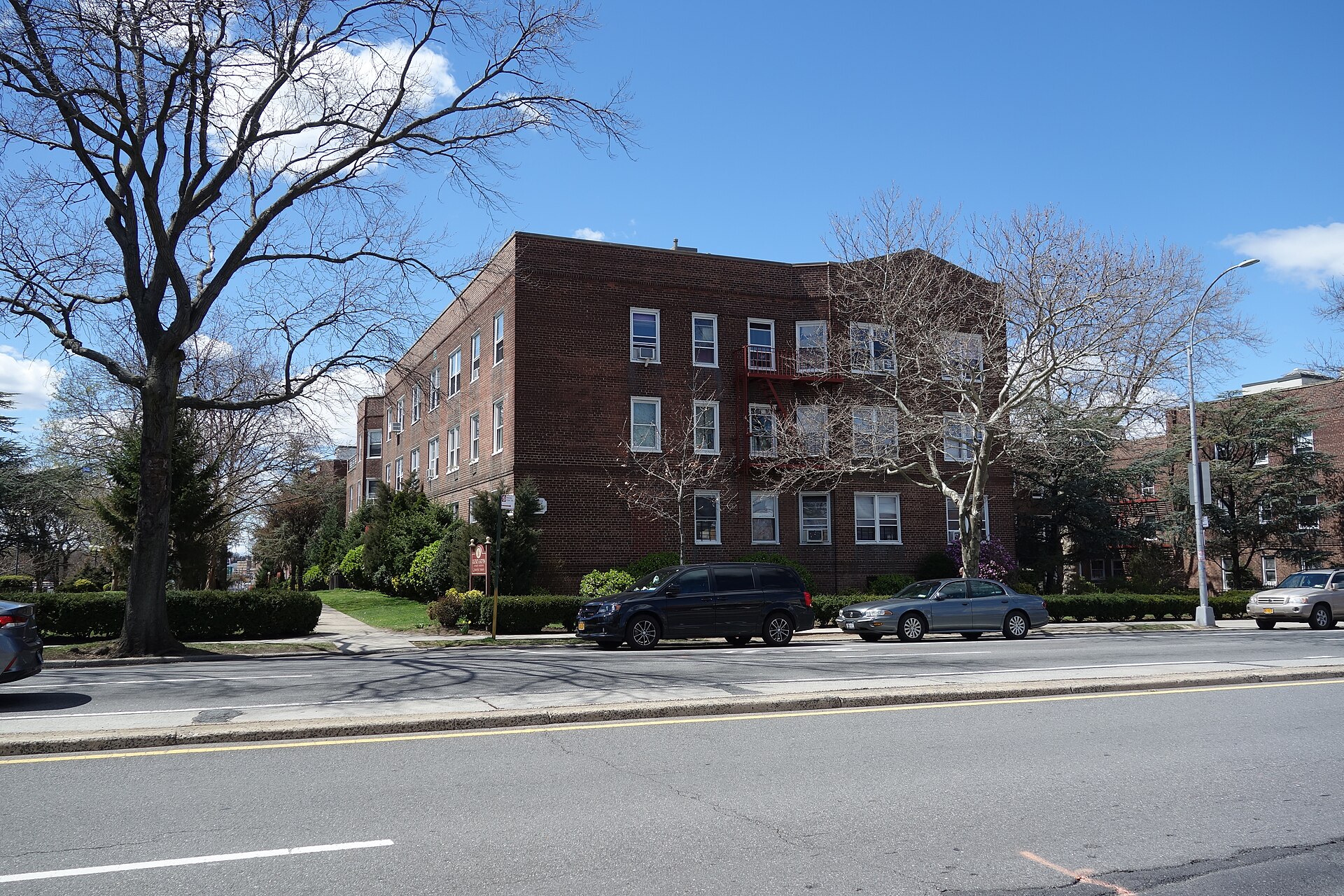
If you are buying or selling a co-op in Queens, watch for the flip tax. Despite the name, it is not about flipping a home quickly, and no government collects it. It is a transfer fee charged by the co-op building itself — and in Queens NY real estate, where garden co-ops fill neighborhoods like Jackson Heights, Forest Hills, and Kew Gardens, it can add thousands of dollars to a sale.
Leer en español: Español ¿Qué es el impuesto de traspaso (flip tax) en Queens NY? Cómo afecta a compradores y vendedores de co-ops
What a Flip Tax Actually Is
When you buy a co-op, you buy shares in a corporation that owns the building, plus a proprietary lease for one apartment. A flip tax is the fee that corporation charges when those shares change hands.
The money goes to the building, not to any government agency — typically to its reserve fund or capital improvements, which can help keep monthly maintenance from rising. The fee must be authorized in the co-op’s governing documents, usually the proprietary lease or the bylaws, and New York law has allowed co-ops to charge these transfer fees since 1986. Condominiums are different: a condo buyer receives a deed to a real unit, and condo boards generally cannot impose a percentage-of-price flip tax. That cost difference is worth weighing when you compare a co-op and a condo in Queens.
How the Fee Is Calculated
There is no citywide flip tax rate. Each building sets its own formula, so two similar apartments on the same block can carry very different fees. The most common structures are:
- A percentage of the sale price. Guides for New York City co-op sales commonly put this form at 1% to 3% of the gross sale price — for example, 2% of $600,000 is $12,000.
- A fee per share. A set dollar amount for each share allocated to the apartment, so the total depends on the unit’s share count.
- A percentage of the seller’s profit. Calculated on the gain over what the seller originally paid, which can differ greatly from a percentage of the full price.
- A flat fee, or a hybrid. A fixed amount, or a flat fee combined with a per-share amount, sometimes scaled to how long the seller has owned the apartment.
The formula is building-specific, so the only reliable number is in that building’s documents. Ask the managing agent for the exact formula in writing before you offer or set a listing price.
Who Pays — and What Can Be Negotiated
By custom in New York City, the seller usually pays the flip tax, and most sale contracts say so. But custom is not a rule: the co-op’s documents control who the building collects from, and in some buildings the buyer is charged or the parties split it. The contract can also shift the cost — a seller in a slow market may agree to share it, while a buyer competing for a desirable apartment may accept paying it to win the bid.
What is generally not negotiable is the amount itself. What buyers and sellers can negotiate, through price and contract terms, is who bears it. Sponsor sales of unsold shares are often exempt under the offering plan, and many buildings waive the fee for transfers to certain family members, but neither exemption should be assumed.
Ask before you offer: for buyers the fee is due at closing on top of other costs, and for sellers it reduces net proceeds, so get the exact figure before you price or bid.
Do Not Confuse It With Transfer Taxes
A flip tax is easy to mix up with the New York State and New York City real property transfer taxes, which sellers also pay at closing. Those are government taxes under state and city rules — separate charges on the closing statement. The flip tax is a third, building-level charge that goes to the co-op. Each should be itemized, and your attorney should be able to explain every line before you sign.
Questions to Ask Before You Offer or List
- Does this building charge a flip tax, and what is the exact formula?
- Who pays it under the proprietary lease and bylaws — the seller, the buyer, or both?
- Are there exemptions, such as for family transfers or sponsor sales?
- How and when is it paid at closing, and to whom?
Bring the answers to your real estate attorney in Queens before you sign, and keep the managing agent’s response in writing.
Thinking about a co-op in Jackson Heights, a garden apartment in Forest Hills or Kew Gardens, or a condo or home elsewhere in Queens? Empire Fine Homes can help you compare buildings and price a sale with the real numbers in hand. Call 917.554.0546. This article is general information, not legal or tax advice; for advice about your own transaction, speak with a New York real estate attorney.
🏡 Never Miss a New Queens Listing
Get new listings & weekly open houses in your inbox — free, every week.