
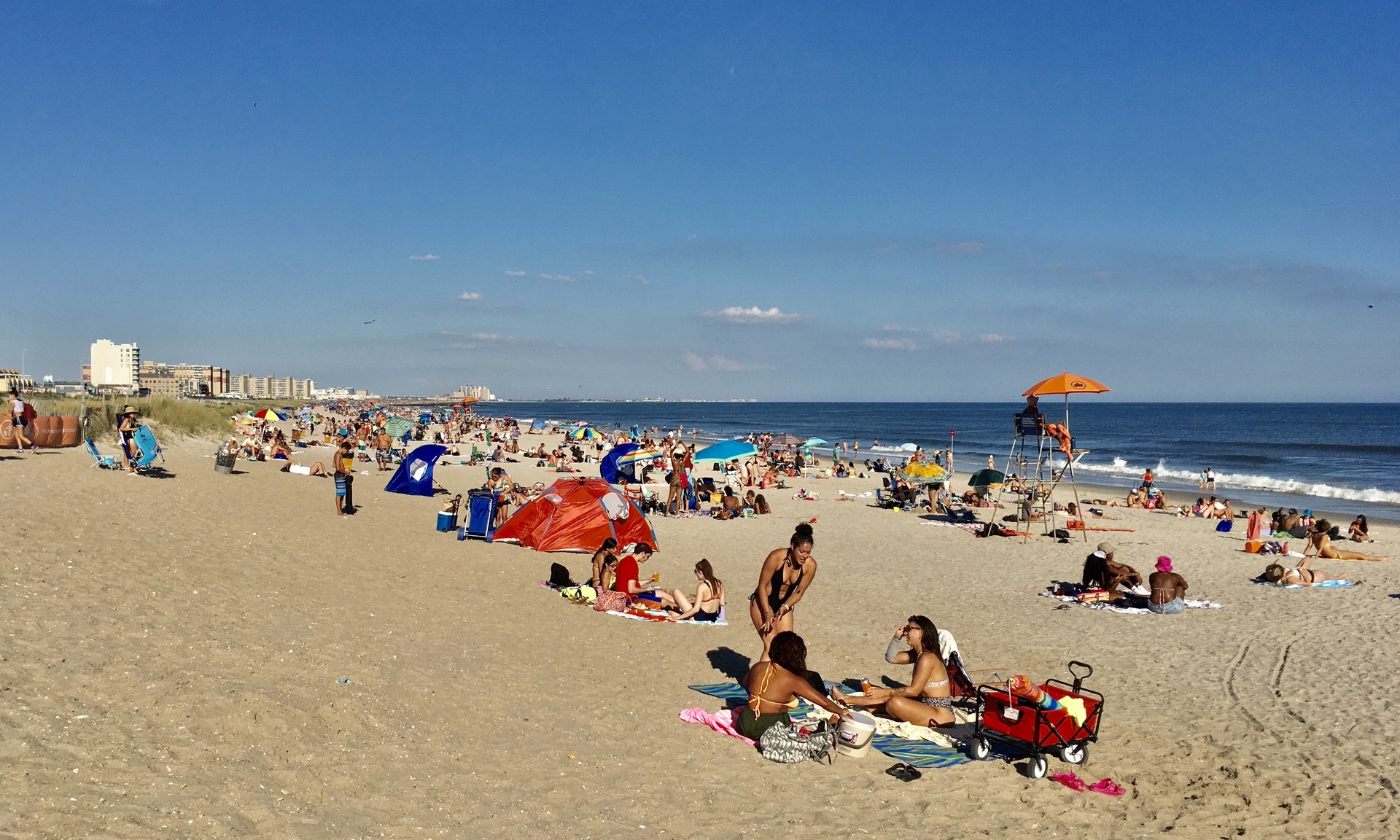
Queens has miles of waterfront, from the Rockaway Peninsula and Broad Channel to Howard Beach, Jamaica Bay, Flushing Bay, and the East River. That water makes these neighborhoods wonderful places to live — and it is why flood insurance deserves a careful look before you buy or sell here. Many buyers first hear about it late, when a lender flags it or a quote comes back higher than expected. Understand it early, while you are still comparing homes.
Your Homeowners Policy Does Not Cover Flooding
A standard homeowners policy generally does not cover flood damage: water that rises from the ground, from storm surge, or from heavy rain overwhelming drainage. That needs a separate flood policy. Flooding in Queens is not only a coastal story. Hurricane Sandy in 2012 brought devastating storm surge to the Rockaways. The remnants of Hurricane Ida in 2021 flooded streets and basement apartments in inland neighborhoods, too.
How Flood Zones Work
The Federal Emergency Management Agency (FEMA) maps flood risk on Flood Insurance Rate Maps. The highest-risk areas are Special Flood Hazard Areas, generally zones beginning with A or V, such as Zone AE. Zone X is moderate-to-low risk, but not no risk: according to FEMA, roughly one in four claims under the National Flood Insurance Program (NFIP) comes from outside high-risk zones.
Risk here is intensely local. Two homes on the same street can sit in different zones, or at different elevations, and face very different risk. In the Rockaways, Howard Beach, and Broad Channel, much housing sits close to the water and at low elevation. Along Flushing Bay and the East River, risk follows the shoreline and low-lying ground. Check the specific address, never a whole neighborhood.
When a Lender Requires Flood Insurance
If a home is in a Special Flood Hazard Area and the buyer uses a federally backed or federally regulated mortgage — most conventional, FHA, and VA loans — the lender must require flood insurance, generally for the life of the loan, for at least the lesser of the loan balance or the maximum NFIP building coverage. Cash buyers face no lender requirement, but that does not remove the risk.
What an NFIP Policy Covers
Most flood policies are written through the NFIP, managed by FEMA, although private insurers also offer policies. A standard NFIP home policy covers up to $250,000 for the building and up to $100,000 for contents, according to FEMA — maximums, not automatic amounts. It can help pay for structural repairs, furnaces, water heaters, flooring, and debris removal. Contents coverage is separate, and temporary living expenses and finished basement improvements below ground are generally not covered. If a home is worth more than the building maximum, excess or private coverage may be needed.
How Premiums Are Set: Risk Rating 2.0
Since October 2021 for new policies, FEMA has priced NFIP coverage under Risk Rating 2.0. Instead of pricing mainly by flood zone, it prices the individual building: distance to a flooding source, the height of its lowest floor, the types of flooding that threaten it, and the cost to rebuild. Two neighbors in the same zone can now pay different premiums.
Elevation matters most. A home whose lowest floor sits well above the Base Flood Elevation — the height floodwater is expected to reach in a flood with a 1% annual chance — generally prices better. An elevation certificate can help an insurer rate it correctly, so ask whether one exists. Budget from a real quote: FEMA data reported by Clovered put the average NFIP premium in Queens County at $2,174 a year under Risk Rating 2.0, but your quote could be far lower or higher.
Check the Map and Read the Disclosure
Before offering, or pricing a home for sale, look up the address on FEMA’s Flood Map Service Center and the City’s flood map tools. Note the zone and Base Flood Elevation and save a copy. Also ask for flood history. Since March 20, 2024, New York’s Property Condition Disclosure Statement for one-to-four-family homes has included seven flood questions, according to the New York State Bar Association, covering floodplain status, whether flood insurance is required or in place, federal disaster assistance, an elevation certificate, and any flood claim filed. The old $500 credit at closing in place of completing the form was eliminated in the same change.
Five Questions to Ask Before You Offer
1. What flood zone is this exact address in, and what is the Base Flood Elevation? 2. Will my lender require flood insurance, and what will a quote cost? 3. Is there an elevation certificate, and has mitigation work been done? 4. Has the property flooded, filed a claim, or received federal flood assistance? 5. When would a new policy take effect? NFIP policies generally carry a 30-day waiting period, with an exception for a purchase at closing — do not leave the quote until closing week. For sellers, a flood map printout, an elevation certificate, mitigation receipts, and the current policy help buyers and lenders move forward.
The Bottom Line
Flood insurance is not a reason to avoid Queens waterfront neighborhoods. Many buyers purchase happily in the Rockaways, Howard Beach, and Broad Channel every year, with eyes open and coverage in place. Do the research early: check the map, get the quote, read the disclosure, and budget the premium into your real monthly cost. Thinking about buying or selling in Queens NY? Talk with us before you offer or set a price. Call Empire Fine Homes at 917.554.0546.
Learn more about what a home inspection covers in Queens NY and how to write a winning offer on a Queens NY home, or contact Empire Fine Homes. Leer en español: Seguro contra inundaciones en Queens NY.
🏡 Never Miss a New Queens Listing
Get new listings & weekly open houses in your inbox — free, every week.