
November is the month Queens homeowners get ahead of winter. The leaves are mostly down, the first cold nights have arrived, and jobs that are easy in mild weather turn miserable once ice and snow set in. A few focused hours now can prevent the winter problems that cost the most: a roof leak found in January, a frozen pipe, or a heating system that quits on the coldest night of the year.
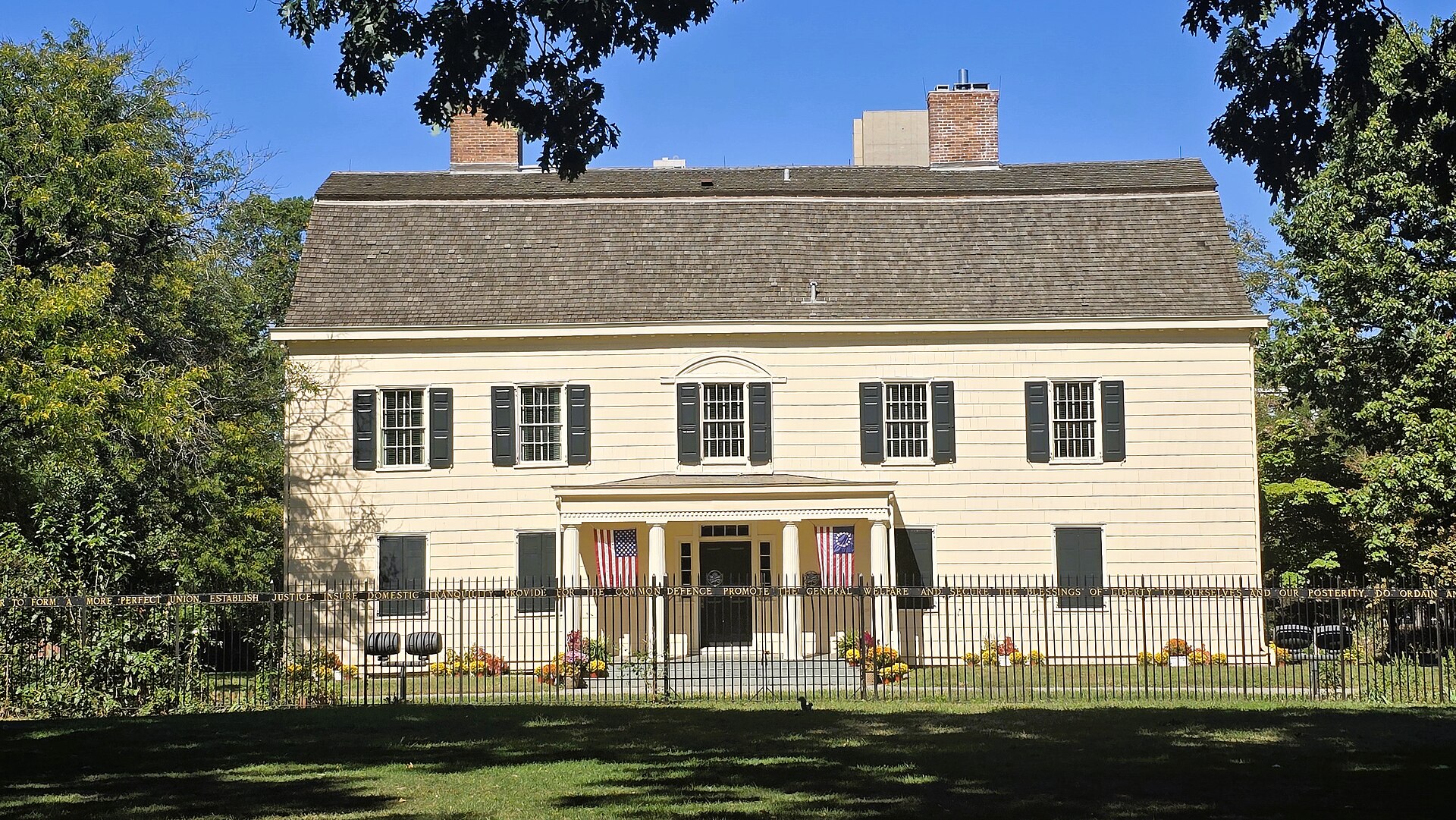
Queens homes come in every age and shape, from pre-war co-ops in Jackson Heights and Forest Hills to two-family houses in Richmond Hill and single-family homes in Bayside. The details differ, but the November checklist is much the same. King Manor in Jamaica, built in the early 1700s, has stood through nearly three centuries of Queens winters. The lesson is simple: protect the shell, the water, and the heat before winter tests them.
Start Outside: Roof, Gutters, and Drainage
Walk around your home and look up. Missing or curled shingles, loose flashing around a chimney, and sagging gutters are easier to fix while a roofer can still work safely. Clean gutters and downspouts so fallen leaves cannot dam up water, and make sure downspouts carry water away from the foundation. The New York City Department of Buildings’ winterizing guidance gives the same advice: clear gutters and roof drains before snow and water can build up and leak.
Trim branches that hang over the roof, since an ice-loaded limb can break in a storm. Check steps, walkways, and railings, and put snow shovels and ice melt where you can reach them before the first storm, not after it.
Protect Your Pipes Before the First Hard Freeze
Frozen pipes are one of the most expensive and most preventable winter problems in Queens NY real estate. Water expands as it freezes, and a pipe that splits inside a wall can soak ceilings and floors before anyone notices. Disconnect garden hoses, drain outdoor faucets, and shut off water to outside spigots where your home has a separate valve. Insulate exposed pipes in basements, crawl spaces, and garages, and seal drafts around them.
Find your main water shut-off valve now, and make sure everyone in the household knows where it is. If a pipe bursts, shutting off the water quickly turns a bad day into a manageable repair. Never thaw a frozen pipe with an open flame; open a nearby faucet and thaw it carefully, as the city’s winterizing guidance advises.
Service the Heat and Seal the Drafts
Have your boiler or furnace serviced before you truly need it. A yearly check by a qualified professional catches small problems while they are still small, and it is far easier to book that visit in November than during the first cold snap, when every heating company in Queens is busy. Replace or clean filters as recommended, bleed radiators that stay cold at the top, and test the thermostat.
Then hunt for drafts. Hold a hand near windows and exterior doors on a windy day, and add weather stripping or caulk where cold air comes in. Loose-fitting windows and doors are a major source of heat loss, according to the Department of Buildings. Test every smoke alarm and carbon monoxide detector, too, and change the batteries.
If You Live in a Co-op or Condo, Check What the Building Covers
Co-op and condo owners should not assume the building handles everything. Ask your managing agent or board what is covered and what is yours: who services the boiler, how heating complaints are handled, and whether window or terrace-door repairs fall to the unit owner. New York City’s heat season begins October 1, so by November the building’s heat should already be running. Report a cold radiator early, in writing, rather than waiting until January.
If your unit has its own heating system, clean or change the filter and confirm it switches to heat properly. Clear leaves from balcony drains so melting snow has somewhere to go. A short conversation with management now prevents a long argument later about whose repair a winter leak turned out to be.
If You Are Selling This Winter, Make Warmth Part of the Showing
Winter showings reward preparation. Keep the home comfortably warm, let in as much natural light as the season allows, and keep walkways and steps clear of leaves and ice. Finish visible maintenance before your first open house: the gutter you cleaned and the draft you sealed tell a buyer the home has been cared for. For more cold-weather presentation ideas, see our guide to selling your Queens home in fall and winter.
If You Are Buying, Ask Winter Questions Now
November is also a revealing time to shop for homes for sale in Queens, because winter conditions show things a summer visit never will. Ask how old the heating system is and when it was last serviced, ask about past leaks and frozen pipes, and look for water stains and drafts. A home inspection is the right place to test these things properly, especially in one of Queens’ many older homes.
If you are buying a co-op or condo, ask about the building’s heating history, recent assessments for roof or boiler work, and how the board handles winter emergencies. The answers say a great deal about how the building is run, and they are much harder to get after you have made an offer.
Winter in Queens rewards the homeowner who prepares in November. Clean the gutters, protect the pipes, service the heat, and seal the drafts, and you will face the cold months with far less worry.
If you would like help buying or selling a home in Queens NY, call Empire Fine Homes at 917.554.0546. We serve buyers and sellers across Queens, Brooklyn, and Long Island, and we are glad to talk through your plans.
Leer en español: Preparar su casa en Queens para el invierno
🏡 Never Miss a New Queens Listing
Get new listings & weekly open houses in your inbox — free, every week.