
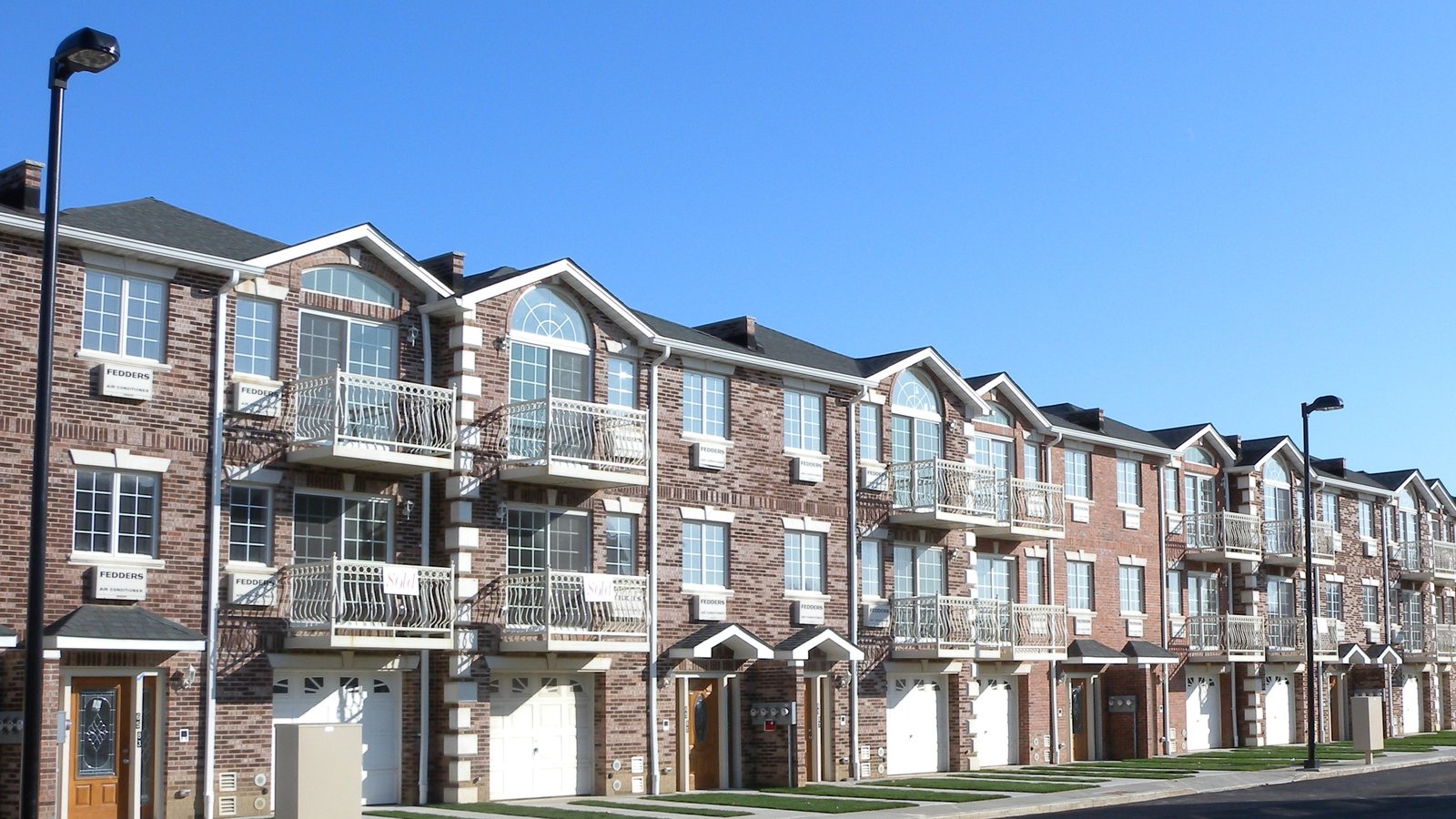
What is my home worth in Corona, Queens? Your home is worth what a ready, willing buyer will pay for it today — and the most reliable way to estimate that number is a comparative market analysis (CMA) built from recent nearby sales of similar homes, adjusted for your property type, size, condition, and legal use. Alejandra Fermin (Broker/Owner) and Elias Borjas (Broker) of Empire Fine Homes prepare that analysis for Corona homeowners from their office at 98-05 Astoria Blvd in East Elmhurst, in Spanish and English. Call 917.554.0546 for a free home value conversation.
Online estimates are a starting point, not an answer. They cannot walk through your kitchen, count the legal units in your building, or read your co-op’s financials. Below is how a home value in Corona is actually determined, what can push it up or down, and how to get a number you can plan around — without guessing and without invented “market average” figures.
What Is My Home Worth in Corona, Queens? Start With the Neighborhood
Corona sits in north-central Queens, with Flushing Meadows–Corona Park to the east, Jackson Heights and Elmhurst to the west, East Elmhurst to the north, and Forest Hills and Rego Park to the south. Its main corridors include Roosevelt Avenue (under the elevated 7 train), Corona Avenue, Northern Boulevard, Junction Boulevard, and 108th Street. The area north of Roosevelt Avenue is often called North Corona.
That variety matters for value. Corona includes one-family homes, two- and three-family houses, small apartment buildings, co-ops, and condominiums, often within a few blocks of each other. Two homes on the same street can sell very differently, which is why a useful answer to “what is my home worth in Corona Queens” has to be built from the right comparable sales — not a ZIP-code average. Empire Fine Homes works every day in Corona and the neighborhoods around it, including East Elmhurst, Jackson Heights, and Elmhurst.
How the Answer to “What Is My Home Worth in Corona Queens” Is Actually Determined
1. Recent comparable sales
Comparable sales (“comps”) are closed sales of similar homes nearby, ideally recent and as close to your block as possible. An agent looks at what actually sold — not just asking prices — and adjusts for differences such as size, number of units, lot, parking, and updates. Active and pending listings show what you will be competing against when you list.
2. Property type: one-family, multi-family, co-op, or condo
Each type is valued differently:
- One-family homes are compared mainly with other one-family homes of similar size, lot, and condition.
- Two- and three-family homes are also judged by their legal unit count and rental potential, so the Certificate of Occupancy matters. Buyers and lenders look at what is legal, not just what is built.
- Co-ops depend on the building as much as the apartment: monthly maintenance, building finances, board approval requirements, and sublet rules can all widen or narrow your buyer pool. See our guide to co-op board approval in Queens.
- Condominiums are compared with similar units, with common charges and real estate taxes factored in.
3. Condition and updates
Roof, boiler, electrical, windows, kitchens, and baths all show up in what buyers offer. Deferred maintenance usually comes off the price, while thoughtful updates can help — though not every project pays back. A walkthrough lets an agent see what an online estimate cannot.
4. Location within Corona
Distance to the 7 train, parks, schools, and busy commercial streets, plus the feel of the specific block, all influence buyer demand. The closest truly comparable sales capture this better than any broad average.
5. Carrying costs and paperwork
Property taxes, co-op maintenance, or condo common charges affect what a buyer can afford each month. Learn more in property taxes in Queens, NY, and gather records early with our Queens seller documents checklist.
Why Online Estimates Can Miss on Corona, Queens Homes
Automated home value estimates rely on public records and recent sales data. They are quick, but they often miss what actually drives value in Corona: interior renovations, an unrecorded or outdated property description, the legal versus actual number of units, a finished basement’s legal status, or a co-op building’s rules and finances. Treat an online number as a conversation starter, then verify it with a local CMA.
What a CMA Tells You About What Your Corona, Queens Home Is Worth
A comparative market analysis is a written look at recent nearby sales, current competition, and your home’s specific features. A good CMA gives you a realistic price range, explains why, and shows how price, condition, and timing work together. For a deeper look at strategy, read our guide to pricing your home to sell in Queens.
A CMA is not a formal appraisal. When a buyer uses a mortgage, the lender usually orders an appraisal during the sale; a CMA is the pricing tool sellers use beforehand to decide whether, when, and at what price to list.
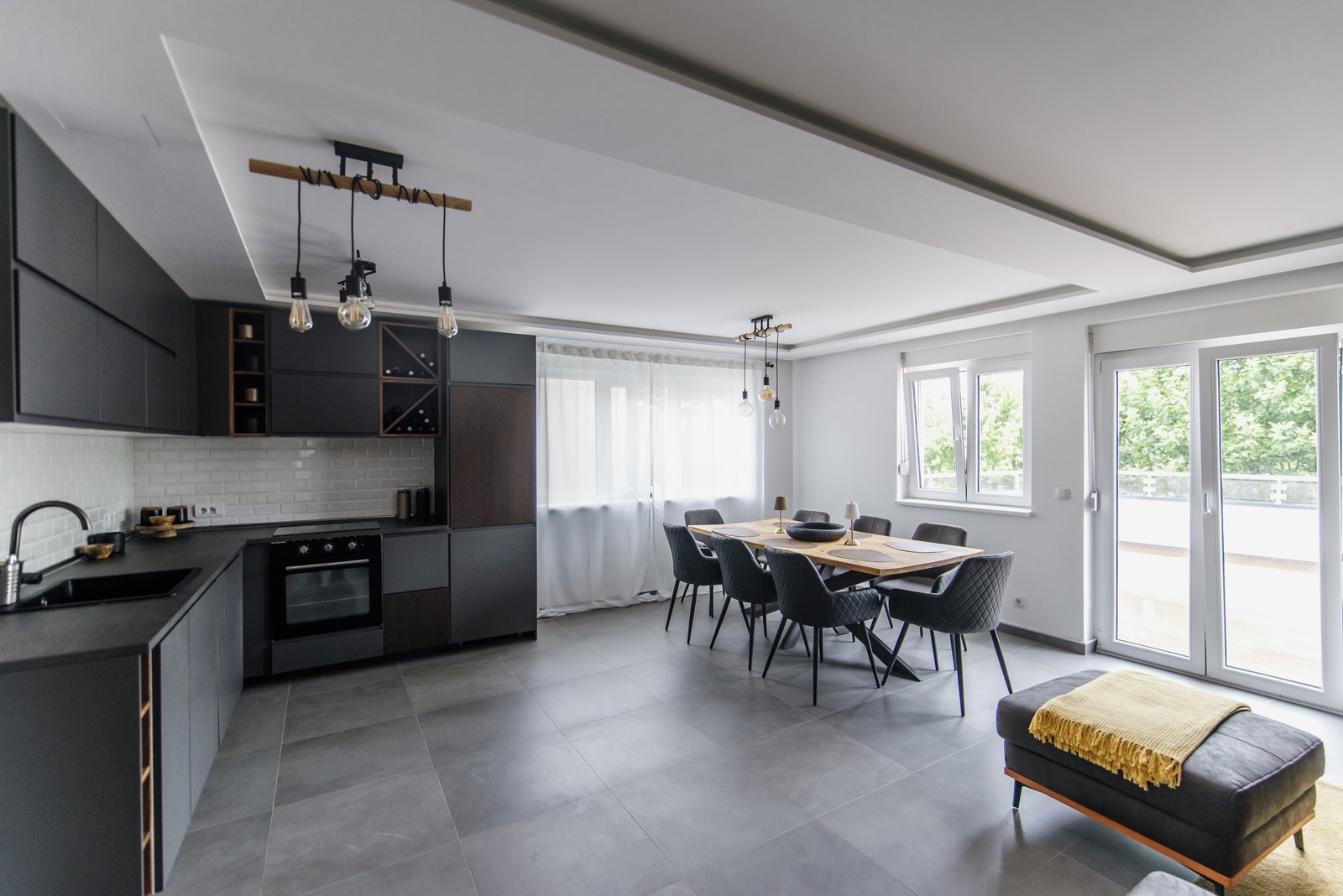
Photo: Shixart1985 / Wikimedia Commons, CC BY 2.0
Meet Alejandra Fermin and Elias Borjas of Empire Fine Homes
Alejandra Fermin is Broker/Owner of Empire Fine Homes. Elias Borjas is Broker. Together they are a husband-and-wife team serving Queens, Brooklyn, and Long Island in Spanish and English. They help with one- and multi-family homes, co-ops, condominiums, and inherited or estate property, and they offer complimentary home value conversations.
Sellers often mention pricing. Viviana Salazar wrote: “We worked with Alejandra Fermin and she was great. She had the patience and knowledge to guide us with the right price and was proactive and persistent bringing potential buyers to the door.”
How to Prepare for Your Free Home Value Conversation
- Property basics — type (one-family, multi-family, co-op, or condo), approximate size, and number of units.
- Updates and repairs — what you have improved and when, and anything that still needs work.
- Costs — your property tax bill, or co-op maintenance or condo common charges.
- Documents — deed, Certificate of Occupancy for multi-family homes, and co-op or condo building information.
- Your goals — timeline, next move, and whether you are planning to sell your house fast in Queens or simply want to know where you stand.
Asking for a home value does not commit you to selling. Many owners simply want a clear number for planning, refinancing conversations, or family decisions.
Frequently Asked Questions
What is my home worth in Corona, Queens?
It depends on recent comparable sales near you, your property type, size, condition, and legal use. A local CMA is the most reliable estimate. Empire Fine Homes — Alejandra Fermin and Elias Borjas — offers a free home value conversation at 917.554.0546.
Are online home value estimates accurate in Corona?
They can be a rough starting point, but they cannot see your interior, updates, legal unit count, or co-op building details. A local agent’s analysis fills those gaps.
Is a co-op valued differently than a house?
Yes. A co-op’s value also reflects the building: maintenance, finances, board approval requirements, and sublet rules. A house is valued more on its own size, lot, condition, and legal use.
Does asking for a home value mean I have to sell?
No. A home value conversation is free and carries no obligation to list.
Can I get my home value explained in Spanish?
Yes. Alejandra and Elias work in Spanish and English. Learn more on their Spanish-speaking Queens agent page.
Find Out What Your Home Is Worth in Corona, Queens
If you have been asking “what is my home worth in Corona Queens,” talk with Alejandra Fermin and Elias Borjas at Empire Fine Homes: 917.554.0546. Start with a free home value conversation at empirefinehomes.com or visit 98-05 Astoria Blvd, East Elmhurst, NY 11369. Se habla español.
Featured photo: Jim.henderson / Wikimedia Commons, public domain